

Guía para Entender el Trading en Forex desde Colombia
🌎 Aprende a operar en Forex en Colombia con esta guía práctica: conceptos clave, factores que influyen en divisas y consejos para invertir con seguridad 💹
Editado por
Isabel Navarro
Gold mining in Colombia holds a special place in the country’s economy, but tracking current gold mine prices can be a bit tricky. Prices aren’t just about the spot price you see quoted on financial news—they vary based on factors like purity, regional demand, and mining conditions.
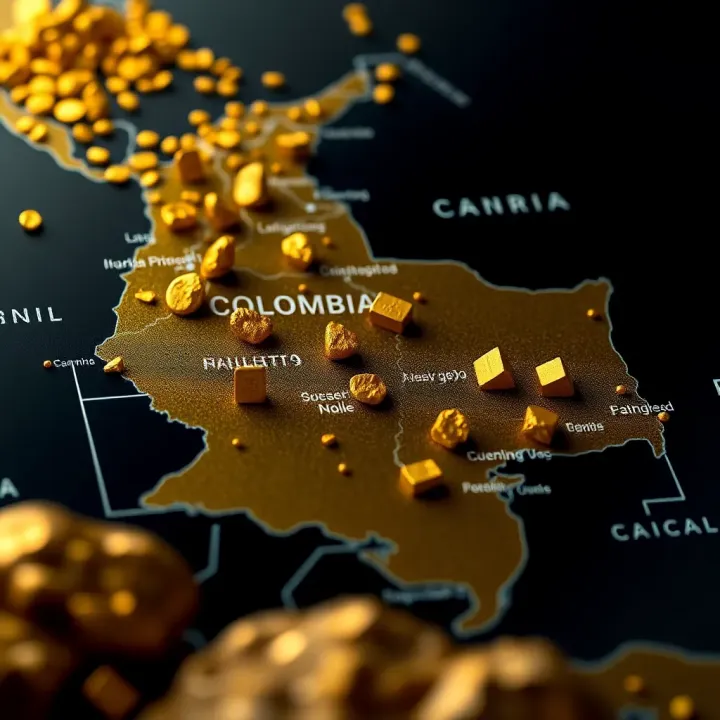
The global spot price of gold, measured per ounce or gram, sets a baseline. This price fluctuates daily, influenced by international markets, currency strength—especially the U.S. dollar—and geopolitical tensions. Colombian miners and investors pay close attention to this, but local prices also incorporate additional factors:
Purity of the gold: Higher karat values mean better prices. For example, 24-karat gold demand in Colombia can command a premium compared to lower purity metals.
Refining and processing costs: Mines with more difficult extraction processes might sell gold at slightly lower prices to cover expenses.
Supply chain factors: Transportation delays or higher local taxes can impact final price offers.
Colombia’s gold-rich regions such as Antioquia, Chocó, and Boyacá experience price differences due to mining scale and regional infrastructure. For instance, mines in Antioquia often receive offers closer to the global spot price because of better logistics compared to more remote areas like parts of Chocó.
Also, artisanal miners in smaller communities might deal with middlemen who offer lower prices, reflecting risks and limited market access.
Tip: Keep an eye on your region's typical pricing trends before sealing deals to avoid undervaluing your product.
To stay on top of current prices, many use a combination of resources:
International market reports – Bloomberg, Kitco, and Reuters regularly publish spot price updates.
Local mining associations – Groups like the Colombian Mining Association provide insight into local market conditions.
Direct contacts – Building relationships with buyers and traders improves price negotiations.
The bottom line is that knowing the global spot price sets a starting point, but understanding Colombia’s specific market nuances ensures better decisions for miners and investors alike. Track these factors closely to navigate the market confidently.
Understanding Colombia's gold market is key if you're investing, trading, or simply keeping an eye on global commodities. The country's gold industry combines rich history with current economic dynamics, directly affecting local prices and opportunities. Knowing the ins and outs helps you anticipate price shifts and make smarter financial decisions.
Gold mining runs deep in Colombia's history, dating back to pre-Columbian times when indigenous groups valued gold not just as currency but for spiritual purposes. This legacy continued through colonial times, making the country a major source of gold. Today, this rich history translates into established mining communities and a deep cultural respect for mining activities, shaping local economies around these traditions.
Colombia stands as the third-largest gold producer in South America, after Peru and Brazil. In recent years, it has churned out over 40 metric tons annually, with exports accounting for a significant share of its national revenue. Key players include major firms as well as artisanal miners, with gold accounting for roughly 10% of Colombia's total exports. These production levels directly influence available supply and thus impact how prices form within local markets.
Regions like Antioquia, Chocó, and Bolívar dominate Colombia's gold landscape. Antioquia alone produces about 40% of the country's gold. Local infrastructure, security conditions, and mining methods in these areas create price differences even within the country, making regional knowledge crucial for traders and miners.

Globally, the London Bullion Market Association (LBMA) gold price and the New York COMEX futures prices provide the benchmarks. These prices shift daily based on supply-demand, geopolitical tensions, and currency valuations, especially the U.S. dollar. For Colombian stakeholders, understanding this global context helps decode sudden price spikes or dips that could flow into local pricing.
Colombia’s gold prices dive further from global benchmarks due to local import costs, taxes, and the peso-dollar exchange rate. For example, a weakening Colombian peso against the dollar usually pushes local gold prices higher because gold is bought in dollars globally. Transportation costs within mountainous mining regions, legal permits, and informal mining enterprises also tweak local prices.
Mining companies set transaction prices based on contract agreements, spot market movements, and operational costs. Traders, especially those in Medellín or Bogotá, bridge producers and buyers, often adding premiums for quick payment or liquidity. Their bargaining power depends on volume and market access, influencing the gold price miners realistically receive.
Knowing the local market dynamics, alongside global trends, is vital for anyone looking to buy, sell, or invest in Colombian gold effectively.
Gold mine prices in Colombia don’t just respond to what’s happening inside the country. They’re influenced by a mix of global and local forces that come together to shape what miners and investors actually see on the ground. Understanding these forces helps you predict price shifts and make smarter decisions when buying, selling, or investing.
Since gold is priced internationally in U.S. dollars, changes in currency values directly affect Colombian gold prices. When the Colombian peso weakens against the dollar, miners get more pesos for the same amount of gold, effectively raising local prices. For example, during past peso devaluations, many miners saw increased revenues even as global gold prices remained steady. However, if the peso strengthens, local prices can dip, discouraging miners or pushing them to export.
Global tensions, trade disputes, or crises often spike demand for gold as a "safe haven" asset, pushing prices higher worldwide—including Colombia. For instance, during the Russia-Ukraine conflict, gold prices jumped, benefiting miners. Conversely, diplomatic easing or peace agreements tend to cool down the market. Investors and miners must stay sharp on these shifts since they can rapidly influence local prices.
Gold prices usually track inflation and real interest rates. Higher inflation drives investors towards gold as a store of value, lifting prices. When central banks raise interest rates, however, the opportunity cost of holding non-yielding assets like gold rises, often causing prices to fall. Colombia’s Monetary Policy, guided by the Central Bank (Banco de la República), affects local interest rates, and indirectly gold prices, so tracking these moves is key for predicting price trends.
Colombia’s mining policies and fiscal regime affect operational costs and profitability, influencing gold prices miners are willing to accept. For example, a recent increase in mining royalties raised production costs, nudging prices upward locally. Clear regulations generally attract more investment, stabilizing prices, while policy uncertainty can scare off investors and cause price drops.
Stricter environmental rules mean miners must invest more in sustainable practices, which can raise costs and push prices higher. In areas like Antioquia, where mining permits now demand better water management and land rehabilitation, operational expenses have increased. This often leads to higher prices reflecting these added costs but also can improve the industry's long-term viability.
Ongoing security challenges in certain regions increase risks and costs for miners. Threats from armed groups or theft make mining operations harder and more expensive. These factors can reduce production, tighten supply, and raise gold prices. For example, some mines in remote areas may experience temporary shutdowns, causing local price spikes due to limited availability.
The bottom line is, today’s gold mine prices in Colombia are a mix of what’s happening globally and locally. Watching these factors helps miners and investors navigate the market with better insight and readiness.
Gold prices across Colombia don’t sit at a single set number — they shift depending on where you are in the country. These regional differences matter a lot for anyone involved in mining or investing because local conditions directly affect profits and costs. Knowing how prices move from region to region helps you make smarter choices, whether you’re negotiating sales or planning operations.
Prices in Antioquia versus other regions: Antioquia stands out as one of Colombia’s top gold-producing regions, and this reputation influences its gold prices. Due to established mining operations and better access to buyers, gold from Antioquia often fetches slightly higher prices than more remote regions like Cauca or Chocó. For instance, miners in Antioquia might get a 3% to 5% premium thanks to stronger local demand and quicker sales channels. This means if you’re selling gold, where you mine can make a noticeable difference in your bottom line.
Price impact in rural versus urban mining areas: Urban mining hubs tend to have higher gold prices because of better infrastructure and closer proximity to refineries and markets. Rural miners, on the other hand, often face logistical hurdles and fewer buyers nearby, pushing prices down. For example, a miner in a rural village in the Sierra Nevada de Santa Marta might receive a price that’s 4% to 7% lower than someone mining near Medellin simply due to extra transportation and security costs. Understanding this urban-rural gap helps miners manage expectations and plan sales strategically.
Transportation costs and logistics: How gold gets from the mine to market weighs heavily on final prices. Regions with paved roads, reliable transport services, and secure routes offer clear advantages. Take Antioquia again — its better roads mean trucks can deliver gold faster and cheaper, preserving value. Conversely, in hard-to-reach areas like southern Nariño, defective roads and rough terrain can add dozens of dollars per ounce in transportation fees. These costs eat into miners’ earnings unless adequately accounted for.
Effect of local market demand: Local demand for gold, especially from jewelry makers and traders, can bump prices up in certain places. Areas with active gold markets see quicker turnovers and less pressure to sell at discounted rates. In contrast, isolated communities often lack this buying power, resulting in more extended holding times and tighter margins for miners. So, if you’re investing or trading, watch the local economic pulse — strong demand in a region like Caldas may signal better price conditions than a quieter area.
Regional price variations are not just numbers—they reflect the real challenges and opportunities miners and investors face daily. Keeping an eye on these shifts can save money and guide smarter decisions across Colombia’s gold market.
Keeping an eye on gold mine prices is not just for traders or big investors; it's critical for anyone involved in Colombia's gold market. Knowing where to find updated information and how to read price fluctuations can be the difference between making a smart move or missing out on profits. This section walks you through practical ways to track current prices and interpret what they mean for your mining activities or investments.
Government and industry reports typically provide the most authoritative pricing data. Colombia's Ministry of Mines and Energy regularly publishes reports on mineral prices, production levels, and export figures, giving stakeholders a grounded snapshot of the market. These official reports often reflect broader economic and policy factors impacting gold prices, making them vital for staying up to date.
Mining associations, like the National Mining Association of Colombia, also compile data that’s useful for spotting trends over weeks or months. For example, if a report shows rising exports from the Antioquia region, it might hint at improving local prices or shifts in supply chains.
Online price indices and market data offer real-time or near-real-time updates on gold pricing. Websites such as Kitco and the London Bullion Market Association (LBMA) track global gold prices, which heavily influence Colombia’s local rates. Using these platforms, miners and investors can cross-check local prices against world benchmarks and see instant reactions to global events like changes in the US dollar value or geopolitical tensions.
For instance, when the US Federal Reserve shifts interest rates, you’ll often see an almost immediate price change on these indices. Tracking this data helps miners decide the right moment to sell or hold their gold reserves.
Local trading platforms and exchanges serve as the frontline for actual transactional prices in Colombia. Unlike international benchmarks, prices here reflect immediate supply and demand dynamics in specific markets. Platforms like the Bogotá Stock Exchange (Bolsa de Valores de Colombia) or regional trade hubs show localized premiums, spreads, and volume data.
Mining entrepreneurs can get a feel for market mood—whether buyers are offering better rates or if demand is sluggish. Knowing these local trading conditions provides a tactical advantage for timing sales or negotiating prices.
Timing sales based on price trends is essential. Gold prices can swing day-to-day, driven by everything from currency shifts to political news. Keeping a history of recent price movements allows you to spot patterns. For example, prices often rally when inflation fears rise or diplomatic conflicts escalate. Selling during these peaks can maximize income.
It's wise to set alerts on reliable price tracking sites so you get notified quickly when gold passes a price point that's profitable for you.
Understanding premiums and price spreads means recognizing the difference between the global spot price and what you actually receive locally. Local factors like transportation costs, refining fees, and local demand can widen the gap. For example, gold mined in remote regions like Chocó might carry higher logistics costs, lowering your net earnings.
By evaluating these spreads, miners and investors can better negotiate with buyers or decide if it’s worth investing in more efficient transport or processing to cut costs.
Risk management strategies protect your stake in a market known for volatility. Diversifying sales instead of offloading an entire batch at once can shield you from sudden price drops. Also, using futures contracts or hedging options is an advanced—but effective—way to lock in prices.
At a local level, staying informed about political developments, regulatory changes, or security issues helps minimize unexpected disruptions. Having backup buyers or storage options in place also cushions against sudden market shifts.
The bottom line is, staying informed through reliable sources and understanding market signals equips miners and investors to make smarter, more profitable decisions amid Colombia's dynamic gold market.
🌎 Aprende a operar en Forex en Colombia con esta guía práctica: conceptos clave, factores que influyen en divisas y consejos para invertir con seguridad 💹

📊 Conoce la legalidad y regulación de opciones binarias en Colombia 🇨🇴, identifica riesgos y recibe consejos prácticos para invertir seguro. 💼
📈 Descubre todo sobre cursos de trading en Colombia: desde fundamentos, elección del curso, métodos de aprendizaje, riesgos y oportunidades en el mercado local.
📈 Descubre estrategias prácticas de swing trading adaptadas al mercado colombiano para maximizar tus ganancias en corto y mediano plazo con consejos claros y ejemplos.
Basado en 15 reseñas