

Qué es el análisis técnico en mercados financieros
📊 Descubre cómo el análisis técnico usa gráficos y datos históricos para anticipar movimientos en bolsa, divisas y criptomonedas, mejorando tus decisiones financieras.
Editado por
Carlos Méndez
Buying a Tesla in Colombia means more than just looking at the sticker price quoted in U.S. dollars. The actual cost in Colombian pesos (COP) involves currency exchange rates, import taxes, and additional fees that can significantly affect the final amount.
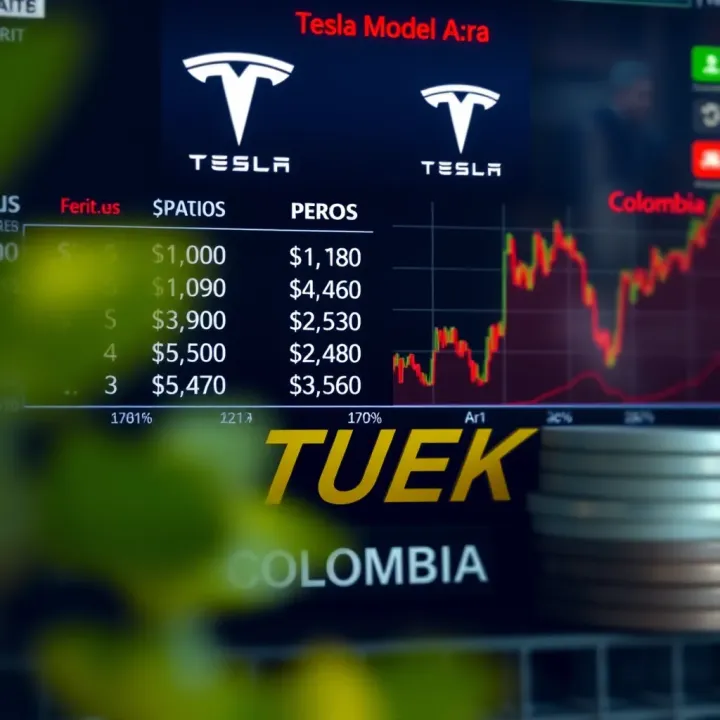
Tesla's base prices for models like the Model 3, Model Y, Model S, and Model X start in the U.S. at roughly $40,000 to $120,000. When converted directly to Colombian pesos with the current exchange rate hovering around 4,700 COP per dollar, the Model 3 alone lands near 188 million pesos. However, this is a rough reference — the real price you pay is higher.
• Import duties on electric vehicles (EVs) in Colombia require attention. Depending on the classification, customs duties can add 15-35% more to the cost.
• Beyond customs, Colombia charges a Value Added Tax (VAT) of 19%, which applies on top of the vehicle's price plus duties.
• Other fees include registration, emissions testing, and local sales tax that varies by region.
These layers mean the Tesla price often inflates by 40-60% in total compared to the initial U.S. price.
Exchange rates can shift daily, so the peso amount you pay will vary. For example, a sudden depreciation of the peso against the dollar could add millions more to the cost overnight, impacting affordability and financing.
Colombian buyers often compare Tesla prices with locally available electric models like the Chevrolet Bolt or Nissan Leaf. While these EVs are cheaper upfront, Tesla’s technology, range, and resale value justify the premium. Still, the steep import costs for all foreign EVs keep prices high across the board.
The bottom line: Tesla ownership in Colombia is an investment that goes beyond the U.S. sticker price. Taxes, fees, and exchange rates drive the final cost well above the base number.
U.S. base price: $40,000
Exchange rate (~4,700 COP/USD): 188 million COP
Add 30% import duty: ~244 million COP
Add 19% VAT on total: ~290 million COP
Additional fees (registration, local taxes): +10 million COP (approx.)
Knowing these details helps investors, traders, and EV enthusiasts understand the pricing structure and evaluate the financial implications before buying.
Knowing the basics of Tesla models and their starting prices is key when figuring out the total cost in Colombian pesos. Each Tesla model serves different needs and budgets, so getting to grips with what each offers helps you make smarter buying decisions. For someone in Colombia, understanding these models upfront makes it clear how price changes translate once you factor in exchange rates and import fees.
Model S: The Model S is Tesla's luxury sedan known for its high performance and long range. With features like a 390-mile range and quick acceleration, it's designed for drivers who want a mix of comfort, technology, and speed. In Colombia, this model targets buyers looking for a premium electric vehicle experience.
Model 3: The Model 3 is Tesla’s most affordable and popular model worldwide. It offers robust performance and modern tech at a lower price point, making it accessible for a wider audience. This makes the Model 3 a practical choice for Colombian buyers exploring electric vehicles without breaking the bank.
Model X: As Tesla’s electric SUV, the Model X stands out with its spacious interior, falcon-wing doors, and strong towing capacity. It appeals to families or individuals needing more room but still want the electric boost Tesla provides. In markets like Colombia, it combines utility with eco-friendly driving.
Model Y: The Model Y blends SUV versatility with the affordability of the Model 3. It offers slightly more space and similar tech features, which makes it increasingly popular among buyers who want a compact SUV that’s efficient and tech-savvy.
Pricing of Each Model: Tesla's pricing starts at around $90,000 for the Model S and $100,000 for the Model X. The Model 3 kicks off near $40,000, while the Model Y starts around $50,000. These base prices set the groundwork to estimate costs once converted to Colombian pesos and after adding any import tariffs.
Differences Between Variants: Each model comes in different trims or variants with varying battery sizes, performance specs, and features. For example, the Model S Long Range and Plaid differ vastly in performance and price—Plaid being more expensive. Understanding these variants is crucial because it impacts your final cost significantly, especially after taxes and fees are added.
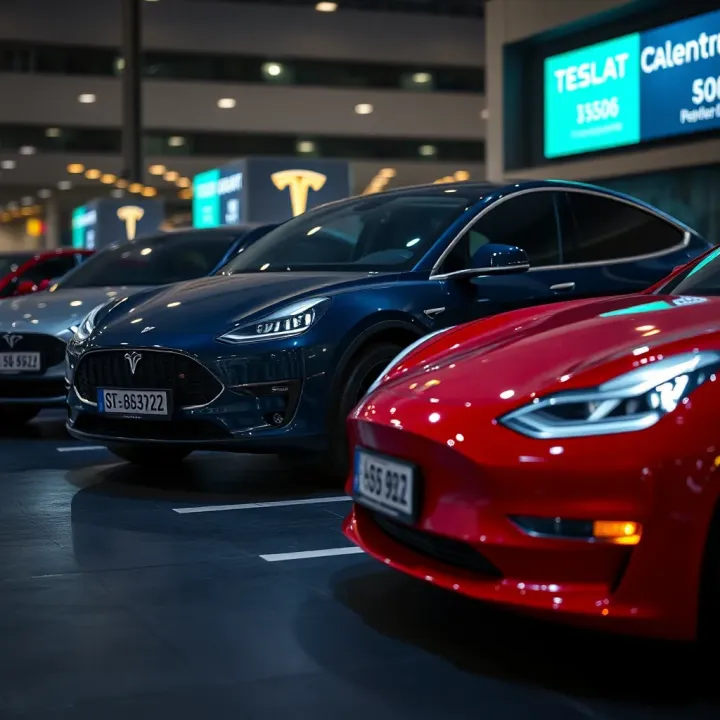
Grabbing the right variant means you’re balancing performance and cost effectively. For Colombian buyers, focusing on base models might be best to manage overall expenses without sacrificing key Tesla benefits.
By starting with these fundamentals, you'll have a clearer path to calculate Tesla prices in Colombian pesos and know which models best align with your expectations and budget.
Understanding the conversion of Tesla prices from US dollars to Colombian pesos is essential for anyone looking to buy or invest in these vehicles in Colombia. Because Teslas are priced primarily in dollars, the local price in pesos can vary significantly depending on the current exchange rate. This fluctuation impacts not only affordability but also the actual value when you consider taxes, fees, and market conditions.
Exchange rates fluctuate daily, and this directly affects the Colombian peso price of Teslas imported or priced based on US dollar amounts. When the peso weakens against the dollar, Tesla prices in Colombia rise, sometimes unexpectedly, while a stronger peso can lower costs. For instance, a 10% drop in the peso value means you could be paying 10% more in local currency, even if the dollar price stays the same. This is especially relevant for buyers planning their purchase timing or budgeting for the purchase.
The bottom line is, keeping an eye on the USD to COP rate is key to anticipating the local cost impact for any Tesla model.
Recent trends show that the Colombian peso's value against the US dollar has experienced ups and downs amid economic shifts, political events, and global market changes. Since early 2023, the peso has seen periods of weakening due to inflation concerns and shifts in commodity prices, which affect Colombia’s export economy. These variations cause Tesla prices, when converted, to jump or drop, sometimes by several million pesos.
To estimate Tesla prices in Colombian pesos, start with the official US dollar price, then multiply by the current exchange rate. For example, if the Model 3 starts at $40,000 and the exchange rate is 4,200 COP/USD, the base price in pesos would be around 168 million COP before taxes and fees.
Here’s a rough estimate for Tesla models based on a COP rate of 4,200 per USD:
Model 3: $40,000 USD × 4,200 = 168,000,000 COP
Model Y: $50,000 USD × 4,200 = 210,000,000 COP
Model S: $90,000 USD × 4,200 = 378,000,000 COP
Model X: $100,000 USD × 4,200 = 420,000,000 COP
These figures provide a starting point to understand how exchange rates shape the local sticker price. Of course, taxes, import duties, and additional fees will push the total cost higher. Still, this exercise helps bring clarity amid currency fluctuations and budget planning.
In summary, converting Tesla prices to Colombian pesos involves more than a simple currency swap. It’s about understanding how exchange rate swings influence your actual cost and timing your purchase accordingly to get the best deal local dollars can buy.
When considering the purchase of a Tesla in Colombia, it's vital to factor in the country's additional import taxes and fees. These charges can significantly increase the final cost beyond the base price converted from US dollars. Understanding these costs helps buyers budget realistically and avoid surprises during the purchase process.
Colombia imposes customs duties on imported vehicles, typically ranging from 15% to 35% of the vehicle's declared value. The specific rate depends on the vehicle's size, age, and classification. For electric vehicles like Teslas, Colombia has recently reduced tariffs to promote green technology, but high-end models may still face tariffs around 15%.
For example, if you import a Tesla Model 3 with a declared value of $45,000, you could expect customs duties of about $6,750 at a 15% rate. It's essential to confirm the exact rate with Colombia's customs authority as rates can vary and updated regulations may apply.
Customs duties add a direct markup on the Tesla's base value, increasing your upfront expense. These taxes are calculated before other fees and taxes, which compounds the cost. For instance, if the base price after conversion is 180 million COP, a 15% customs duty adds another 27 million COP, contributing heavily to the final price.
Buyers should also be aware of additional import fees like handling and inspection charges, which can further raise the cost. Ignoring customs duties can lead to unexpected financial burdens, so it's wise to include these taxes when averaging total expenses.
Colombia applies a Value-Added Tax (VAT) of 19% on most cars, including imported Teslas. This tax is calculated on top of the vehicle price plus customs duties and any applicable import fees.
Continuing the example: after adding customs duties, the VAT applies to the sum of the vehicle price and those duties — not just the base price. This means your effective VAT payment can significantly increase the total cost, potentially pushing the final price well over 220 million COP.
Understanding VAT’s compounding effect is crucial for accurate budgeting. Some Colombian states might also have local sales taxes, but these are usually minor compared to VAT.
After handling import and sales taxes, buyers must pay registration and licensing fees to legally drive the Tesla on Colombian roads. These fees vary by region but typically include:
Vehicle registration fee
License plate issuance
Mandatory vehicle inspection
For a Tesla, registration might range from 1 to 3 million COP depending on the city and vehicle type. While this is a smaller proportion compared to import taxes, it’s a necessary step that adds to the total ownership cost.
Keep in mind: Skipping registration or licensing is illegal and can lead to fines or confiscation of the vehicle.
Budgeting for all these taxes and fees ensures you’re prepared for the complete purchase cost of a Tesla in Colombia. The bottom line is that import taxes, VAT, and registration combined can easily add 30% or more onto the base price once converted to Colombian pesos. For anyone buying or investing in a Tesla here, factoring these charges in from the start will lead to smarter financial decisions and smoother ownership experience.
When considering how much a Tesla costs in Colombian pesos, availability and purchase options play a big role. Understanding where and how you can buy Tesla vehicles locally affects not just price but also post-purchase support, making it key info for anyone thinking about investing or owning one here.
Colombia does not yet have an official Tesla showroom or service center. This means buyers won’t find a Tesla dealership similar to those in the U.S. or parts of Europe. Without official outlets, buyers miss out on direct access to Tesla's warranty services and maintenance expertise provided by company-certified technicians.
That said, some authorized service centers for electric vehicles might offer limited support for Tesla models, but it's far from comprehensive. Practical repercussions include longer wait times for repairs and difficulties accessing official Tesla parts.
When it comes to buying, choosing between purchasing directly from Tesla’s international website or going through third-party sellers in Colombia has pros and cons. Direct purchases often mean higher upfront costs due to shipping and import duties but guarantee genuine vehicles with manufacturer warranty intact.
Third-party dealers or private sellers might offer Teslas closer to local budgets, sometimes with customization options. But these options add risks: uncertified warranties, possible vehicle modifications without Tesla approval, and less transparent pricing. Buyers must thoroughly vet sellers and confirm paperwork completeness.
Bringing a Tesla into Colombia independently requires navigating import bureaucracy, taxes, and logistics. The process starts with identifying a trustworthy overseas seller, arranging shipping (often by sea), and handling customs clearance.
Buyers need to prepare for paperwork such as import permits, payment of import taxes, and adherence to Colombian vehicle regulations. Importing can add up to 30-50% of the Tesla’s cost due to tariffs and fees. Preparation includes gathering all relevant documents for a smooth customs process.
Challenges go beyond finances. Teslas imported independently might lack access to local technical support. Software updates, battery warranty claims, and repairs could require shipment overseas or reliance on non-official service providers.
Potential buyers should also consider that non-officially imported Teslas might face delays during registration or inspections. Despite those hurdles, independent import remains a popular choice among enthusiasts willing to accept extra effort for owning a Tesla.
Bottom line: While Teslas are pricier and more complex to buy in Colombia than in the U.S., understanding your purchase options helps you make smarter decisions. Knowing the differences between official and independent sources makes a big difference in price, support, and peace of mind.
When considering the purchase of an electric vehicle (EV) in Colombia, comparing Tesla prices to other EVs on the market provides useful perspective. The electric vehicle segment is still emerging in Colombia, and prices vary widely based on brand, model, and local taxes. Understanding how Tesla stacks up can support better investment decisions, especially for investors, traders, and analysts focused on the automotive or sustainability sectors.
Colombia's EV market is gaining traction but remains relatively small compared to traditional internal combustion engine cars. Popular models include the Nissan Leaf, Chevrolet Bolt EV, and BYD Yuan. For example, the Nissan Leaf starts around $40,000 (approximately 180 million COP), while the Chevrolet Bolt EV hovers near $42,000 (about 189 million COP). Meanwhile, BYD is offering models like the Yuan at more competitive prices, near $35,000 (around 157 million COP).
Despite limited range and features compared to Tesla, these options have attracted attention due to lower upfront costs and expanding charging infrastructure. The presence of government incentives for EVs has also improved their appeal.
Features and Technology: Tesla’s main appeal comes from its advanced technology, including Autopilot, over-the-air software updates, and superior battery range. For example, the Tesla Model 3 offers an EPA-estimated range of up to 358 miles (575 km), significantly outpacing many rivals in Colombia. These features not only enhance driving experience but ensure that Tesla vehicles retain more value and stay relevant longer through constant software improvements.
Cost Efficiency Over Time: Although the initial price tag for Teslas is higher—often starting above $60,000 (around 270 million COP) after taxes—the total cost of ownership tends to be lower when factoring in fuel savings, maintenance, and depreciation. Tesla’s batteries are known for longevity, and fewer mechanical parts translate to less frequent repairs. For example, buyers looking at a Nissan Leaf or Chevrolet Bolt must consider battery replacement after 8-10 years, often costing several thousand dollars, which impacts long-term ownership costs.
The bottom line is that while Teslas require a bigger upfront investment in Colombia, their long-term reliability and innovative technology often justify the price premium compared to other electric vehicles.
Understanding these differences helps investors and consumers assess not only the cost but also the value offered by Teslas relative to local competitors. This context proves especially important as Colombia’s EV market continues to evolve.
📊 Descubre cómo el análisis técnico usa gráficos y datos históricos para anticipar movimientos en bolsa, divisas y criptomonedas, mejorando tus decisiones financieras.

📊 Descubra cómo usar señales para potenciar sus operaciones en opciones binarias, con estrategias claras, análisis práctico y consejos para minimizar riesgos en el mercado.

📈 Aprende qué es el swing trading y cómo funciona esta estrategia para aprovechar movimientos cortos y medianos en inversiones con ejemplos y consejos en Colombia.
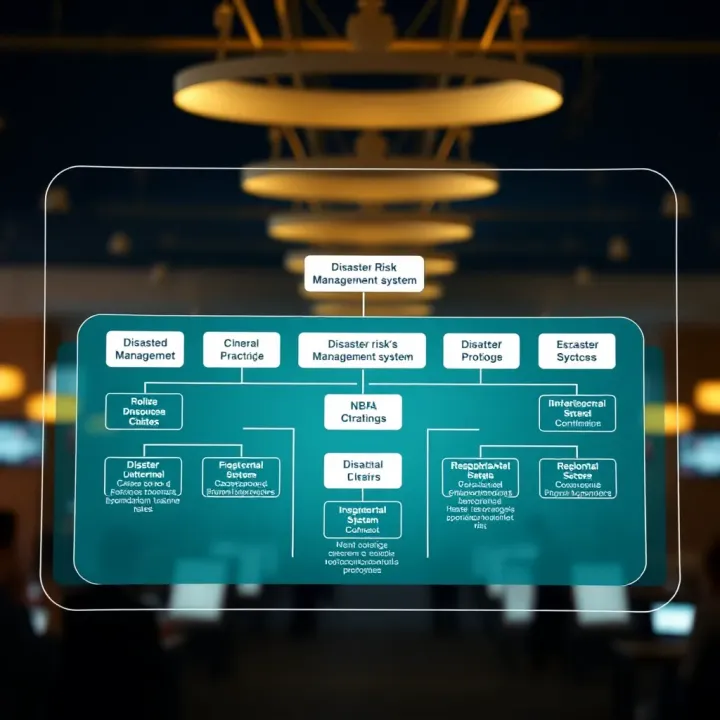
🌎 Conoce cómo el SNGRD en Colombia organiza, previene y responde a desastres, involucra comunidades y sectores para fortalecer la resiliencia territorial.
Basado en 10 reseñas