

Qué es el análisis técnico en mercados financieros
📊 Descubre cómo el análisis técnico usa gráficos y datos históricos para anticipar movimientos en bolsa, divisas y criptomonedas, mejorando tus decisiones financieras.
Editado por
Sofía Delgado
When exchanging euros to Colombian pesos, the exchange rate is your first point of focus. Rates fluctuate daily based on economic factors, market demand, and political developments in both Europe and Colombia. For example, a rate might hover around 1 euro equaling 4,800 Colombian pesos, but this can shift unexpectedly.
Beyond the rate itself, keep in mind that fees and commissions vary widely between exchange providers. Banks, currency exchange kiosks, and online platforms each offer different costs. A bank might give a fair rate but charge a processing fee, while some kiosks might have no fee but lower rates, cutting your effective return.
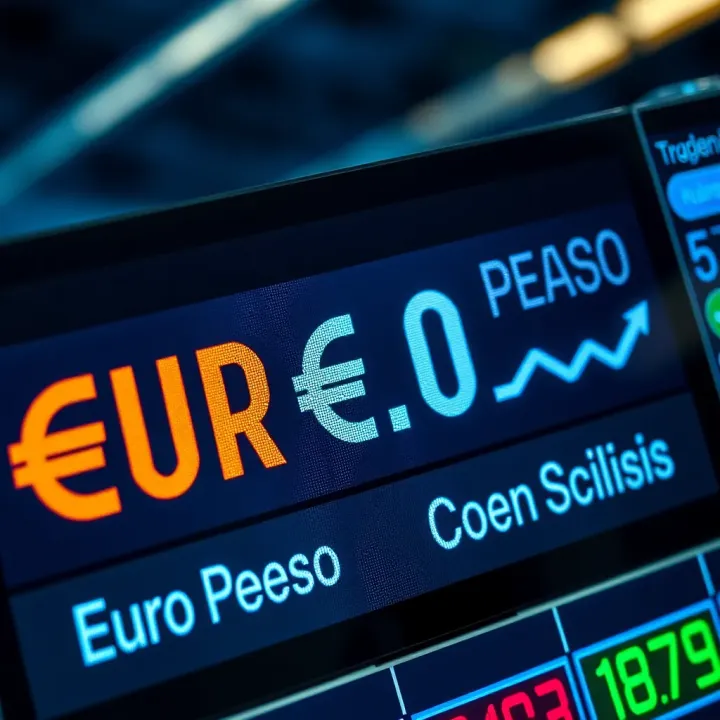
Always compare the total cost including exchange rate plus fees before making conversions.
Timing also matters. Rates often change during trading hours tied to major financial centers like Frankfurt or New York. Checking rates during peak forex activity can yield better value.
Currency exchange isn’t just about swapping notes. You might also use international money transfer services like Western Union or MoneyGram if sending funds remotely. Those services usually charge a flat fee plus margin on the exchange rate—important to factor in.
Here are three quick tips when converting euros to Colombian pesos:
Use real-time rate checkers before committing to any exchange.
Avoid airport kiosks if possible; they often have poor rates.
Consider your needs: for large amounts, bank transfers or online payment services might save you money compared to cash exchange.
Dealers and traders monitor indicators like the economic outlook for the Eurozone and Colombia, inflation data, and foreign investment trends because these influence the peso’s strength against the euro.
In short, understanding the current exchange rate — along with fees, timing, and your transaction method — helps you make smarter decisions that can save or earn you real money in your euro-to-peso exchanges.
Understanding what moves the euro to Colombian peso exchange rate involves keeping an eye on several dynamic factors. These go beyond just supply and demand—they include economic conditions, inflation, political events, and the dizzying workings of forex markets. For investors, traders, and finance enthusiasts, grasping these elements helps make smarter decisions when converting or trading currency.
The state of both the European and Colombian economies directly affects their currencies' strength. For example, when the Eurozone posts strong GDP growth or improved trade balances, the euro tends to gain value against other currencies, including the Colombian peso. On the flip side, if Colombia experiences a booming coffee export season or a surge in foreign investment, the peso might strengthen. These shifts reflect fundamental confidence in each region's economic health.
Inflation rates play a big part too. High inflation in Colombia can weaken the peso by reducing purchasing power, making euros more valuable by comparison. Interest rates set by the European Central Bank or Colombia's central bank also influence currency flows. If Europe raises rates, euro-denominated assets become more attractive, potentially pushing up the euro's value against the peso. Watching these central bank moves can give you an edge in timing exchanges.
Political events often trigger currency swings. For instance, if Colombia faces political unrest or uncertainty about government policies, investors might shy away, weakening the peso. Similarly, elections or policy changes in Europe that create uncertainty can impact the euro. Stability builds investor confidence, encouraging capital inflows, while turmoil often leads to currency depreciation.
Forex markets set the daily exchange rates between the euro and Colombian peso through countless trades happening worldwide. Factors like speculative trading, global economic releases, and sudden news flashes cause rates to bounce throughout the day. For example, a surprise announcement from the European Central Bank can cause the euro to jump or drop against the peso within minutes.
Timing your currency exchange wisely can save money. Generally, exchanging money when the euro is strong against the peso is ideal. This tends to happen when European economic data is positive or Colombian economic concerns arise. You can track these trends using currency tracking apps that send alerts when rates hit favorable levels. Also, midweek often sees more stable rates compared to volatile Mondays or Fridays when traders react to weekend news.
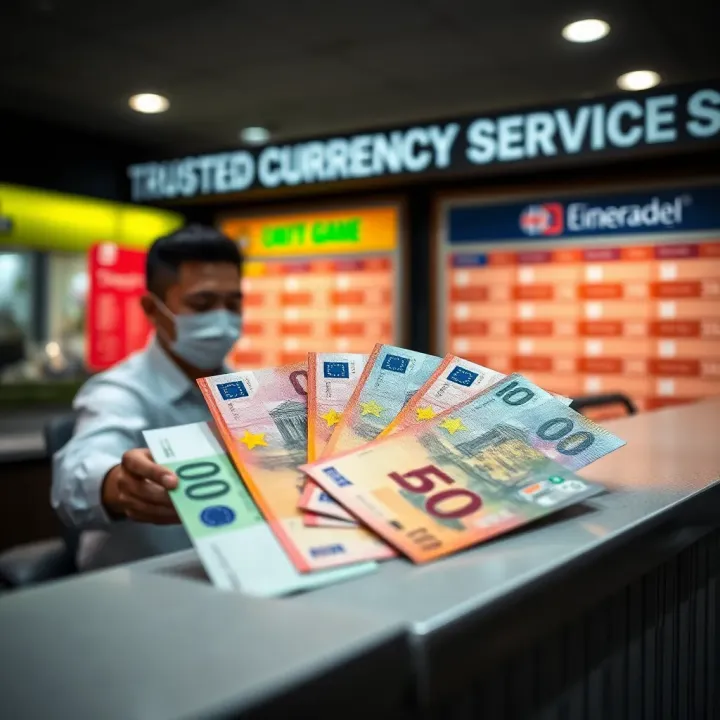
Keeping tabs on economic indicators, political developments, and forex market trends pays off if you deal regularly with euro to Colombian peso transfers. The bottom line is, timing and understanding these current factors lead to better value in your exchanges.
Knowing the best ways to exchange euros into Colombian pesos can save you a lot of headaches and money. Different methods carry their own costs, risks, and convenience factors. Whether you’re a trader wanting the best rate or someone just traveling, understanding your options helps you make smarter choices.
Banks provide a sense of security because they’re regulated and reputable. For investors and financial analysts, banks usually offer stable rates though they might not be the absolute best. A disadvantage with banks and currency exchange offices is their limited hours and often slower service, which can be inconvenient if you need cash fast.
Exchange offices, especially in cities like Bogotá or Medellín, might offer better rates than banks. However, the trust factor varies widely, so it’s crucial to go to well-established offices. Both banks and exchange offices will charge fees, usually as a commission or built into the exchange rate.
Typical fees range from 1% to 3%. Larger banks like Bancolombia or Banco de Bogotá tend to be transparent about their fees but double-check as smaller offices might slip in hidden costs. Always ask upfront to avoid surprises.
Digital platforms like Wise, Revolut, or XE have become popular for exchanging money. They let you lock in rates ahead of time and handle transfers quickly. For financial pros who monitor rates closely, these platforms offer useful tools and alerts.
Processes usually involve setting up an account, verifying your identity, then transferring your euros. Your Colombian pesos arrive directly in your bank account or a linked digital wallet. This method combines convenience with generally better rates than traditional banks.
When comparing rates, it’s worth noting that online services tend to charge a small percentage fee plus a fair exchange rate margin. The flip side is you avoid physically handling cash. Plus, you can do this from anywhere rather than waiting in line at a bank or exchange office.
Exchanging currency at airports is tempting due to convenience. If you’re pressed for time, airport kiosks provide quick service. However, these come with a higher cost compared to banks or online platforms. Rates are often poor, and fees can be steep.
Bottom line: Airport exchanges serve best in emergencies, but it’s better to avoid them for larger sums or frequent needs.
Avoid airport exchanges especially if you can prepare beforehand. If you need pesos right upon arrival, consider withdrawing local currency from an ATM linked to your card instead. That often gives a better rate and cost structure than airport kiosks.
Knowing these options helps tailor your approach to converting euros into Colombian pesos effectively. Whether prioritizing cost, speed, or security, picking the right method matters in the overall exchange experience.
Understanding the fees and costs involved in exchanging euros to Colombian pesos can make a significant difference in how much local currency you end up with. These fees sometimes catch investors and travelers off guard, shrinking the value they receive. Knowing the types of charges you might face helps you spot where your money goes and how to keep more of it in your pocket.
When converting euros to pesos, the most common fees fall into three categories: the spread, commissions, and service fees. The spread is the difference between the buying price and selling price of the currency. For example, if the market rate is 1 euro to 4,800 pesos, a bank or exchange office might offer 4,750 pesos, pocketing the 50-peso difference per euro. This spread is often the largest hidden cost and varies widely between providers.
Commissions are extra charges some places tack on top of the spread. These can be a fixed amount or a percentage of the total exchanged. For instance, exchanging $500 euros might carry a 2% commission, deducting $10 before you get your pesos. Lastly, service fees might appear as flat fees or additional charges for convenience, such as using airport kiosks that often levy higher costs.
A straightforward way to score better rates is to plan your exchange ahead rather than waiting until the last minute. Compare offers from different banks and online platforms like Wise or Revolut, which often provide closer-to-market rates with lower fees. Timing also matters; catching a favorable rate when the euro strengthens against the peso can save you a chunk.
Avoiding hidden charges means reading the fine print and asking upfront what's included. Some exchanges advertise "no commission" but widen the spread to compensate. Always check the total cost, including both the rate offered and any fees. Also, steer clear of exchanging money at busy spots like airports or hotels—where rates are usually skewed—and go for trusted banks or reputable online services instead.
The bottom line is that not all exchange options come with obvious costs. Paying attention to spreads, commissions, and service fees will help you keep more of your euros working for you once converted to Colombian pesos.
Being savvy about these fees directly impacts how much local currency you get and the overall value of your euros. Whether you're a trader tracking shifts or a traveler looking for the best bang for your buck, understanding these costs is your first step to smarter currency exchange.
Getting the most value when exchanging euros for Colombian pesos boils down to timing, security, and knowing where and how to exchange your money. Minor differences in rates or fees can add up quickly, especially if you’re moving significant sums. By tracking exchange rates closely and practicing safe currency exchange habits, you can avoid losing money to poor timing or scams. These tips aren’t just about snagging a good deal—they’re about protecting your cash and making smart, informed choices during the process.
Keeping an eye on exchange rates is the first step to maximizing your conversion value. With rates fluctuating daily—and sometimes hourly—relying on instinct or outdated information won’t cut it. Using currency tracking apps like XE Currency, OANDA, or Currency.com lets you set custom alerts that notify you when the euro is strong against the Colombian peso. For example, if you expect the peso to dip below 4,000 COP per euro, getting an alert helps you act promptly and lock in better rates.
Regularly checking these rates can also prevent rash exchanges at unfavorable times. Smart investors often wait for minor shifts that make a noticeable difference—say a 2-3% swing—which might not seem huge but can mean hundreds of dollars saved on larger transactions. Using these tools takes the guesswork out of timing and lets you plan your currency exchange around real data.
When physically exchanging euros for pesos, security should be top of mind. Always choose reputable banks or well-reviewed currency exchange offices, especially when traveling. These institutions have systems in place to authenticate currency, reducing the risk of receiving counterfeit bills. For example, Banco de Bogotá and Bancolombia maintain high security standards in their currency exchanges. Bringing smaller denominations can speed up the process and avoid drawing unnecessary attention.
Unfortunately, currency exchange scams and counterfeit bills are common pitfalls. To avoid falling victim, never accept offers from unofficial street vendors. Counterfeit bills look convincing but can be spotted with ultraviolet light detectors or by checking security strips—tools commonly used at official exchange points. Pay attention to the feel of the paper and print quality; genuine pesos feel crisp and have raised ink textures.
Also, watch out for dealer tricks like sneaky fees or unfavorable rates hidden in the fine print. Always ask upfront about all possible charges. It's wise to count your money carefully before finalizing the deal—insist on receiving a receipt to document the transaction. These cautious steps help protect your funds and give you peace of mind wherever you exchange your euros.
Bottom line: Tracking exchange rates and prioritizing safe, secure currency exchange can save you money and headaches. Don't rush, do your research, and always use trusted channels to convert your euros into Colombian pesos.
When converting euros to Colombian pesos, locating trustworthy exchange services is key to securing fair rates and avoiding potential scams. Whether you're investing large sums or handling daily transactions, knowing where to exchange currency safely can save you money and stress. Reliable sources offer predictable rates, transparent fees, and better security, which is crucial amid fluctuating forex markets.
Major Colombian banks like Bancolombia, Banco de Bogotá, and Davivienda accept euro exchanges and provide stable currency conversion services. Using banks is often safer because they operate under strict financial regulations and offer official receipts. For investors and traders, this reduces the risk of counterfeit currency or hidden charges. Banks usually set exchange rates close to the market value, but be aware of possible service fees.
These banks maintain a broad network of branches, especially in big cities such as Bogotá, Medellín, and Cali, ensuring easy access for expatriates and visitors looking to swap euros. Their locations often include airport branches and central downtown offices, convenient for immediate currency needs upon arrival or during business trips. Plus, banks often allow currency exchange during normal business hours, which is helpful for planning.
Besides banks, specialized currency exchange shops present another viable option, particularly in tourist hubs like Cartagena and Barranquilla. Exchange offices such as Casa de Cambio and Italcambio have built reputations through years of service, offering competitive rates and flexible hours, often including weekends.
These offices sometimes provide quick service without the paperwork seen at banks, appealing for those needing immediate cash. However, rates and fees can vary widely between shops, so it pays to compare options locally. In key locations, look for exchange offices with clear signage, official licensing, and customer reviews to ensure reliability.
When arranging large exchanges or investing substantial sums, consider visiting multiple institutions to compare rates and fees. This approach maximizes your return and minimizes unnecessary costs.
Bottom line: Whether you choose a bank or an exchange shop, prioritize places with transparent rate disclosures and ample customer feedback. That way, you protect yourself from losses and gain the most value when converting euros to Colombian pesos.
📊 Descubre cómo el análisis técnico usa gráficos y datos históricos para anticipar movimientos en bolsa, divisas y criptomonedas, mejorando tus decisiones financieras.
📊 Descubra cómo usar señales para potenciar sus operaciones en opciones binarias, con estrategias claras, análisis práctico y consejos para minimizar riesgos en el mercado.

📈 Aprende qué es el swing trading y cómo funciona esta estrategia para aprovechar movimientos cortos y medianos en inversiones con ejemplos y consejos en Colombia.
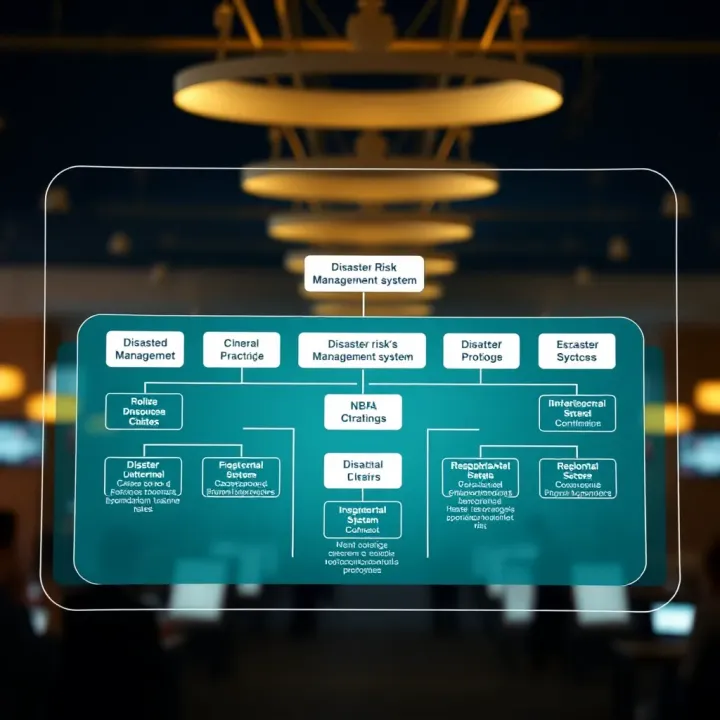
🌎 Conoce cómo el SNGRD en Colombia organiza, previene y responde a desastres, involucra comunidades y sectores para fortalecer la resiliencia territorial.
Basado en 7 reseñas