

Guía para Entender el Trading en Forex desde Colombia
🌎 Aprende a operar en Forex en Colombia con esta guía práctica: conceptos clave, factores que influyen en divisas y consejos para invertir con seguridad 💹
Editado por
Paula Martínez
Withdrawing money from Western Union in Colombia is pretty straightforward, but being prepared goes a long way. Whether you’re an investor, trader, or financial analyst, understanding the process helps avoid last-minute surprises.
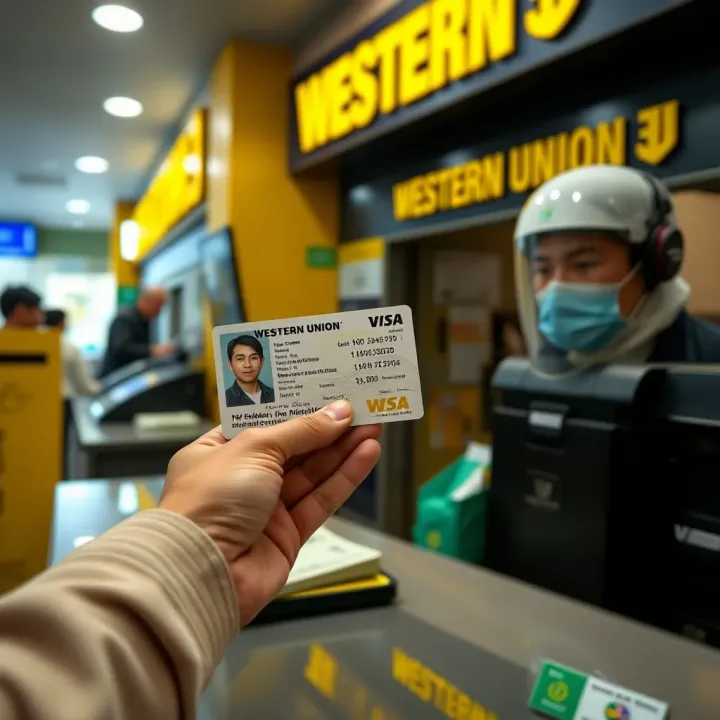
Western Union works with a wide network of authorized agents across Colombia. You'll mostly find their services at major banks like Bancolombia and Davivienda, as well as in standalone Western Union locations and some drugstores or supermarkets.
Tip: Use the Western Union agent locator tool to find a nearby location before heading out.
To pick up cash, you need a government-issued photo ID. The most common forms are:
Colombian cédula (national ID)
Passport
Driver’s license
Remember, the name on your ID must match exactly with the recipient name on the transfer. Any mismatch can cause delays or denial of the transaction.
Your sender should provide the 10-digit MTCN. You'll need this number to retrieve the funds. Without it, the agent can’t process your withdrawal.
Western Union puts limits on how much you can receive per transaction or day. In Colombia, this often depends on the agent or corresponding bank’s policies, but typical limits range from $500 to $2,500 per transfer.
Fees vary based on the sending country, the amount, and payment method. Usually, the recipient doesn’t pay fees when cashing out but double-check with the sender beforehand.
Sometimes, your transfer might not be immediately available due to issues like incomplete information, regulatory holds, or network problems. Agents usually provide a clear explanation, and you can often resolve these with a call to Western Union customer service.
Confirm recipient name matches ID
Have your MTCN code
Bring proper identification
Check the closest Western Union agent
Talking with your sender about details upfront prevents headaches. Plus, understanding fees and limits means you know exactly what to expect at the counter.
This knowledge makes withdrawing money smooth, no matter if you’re accessing investment returns or funds from business partners abroad.
Getting a grip on how Western Union operates in Colombia sets the stage for a smooth withdrawal process. Knowing the ins and outs helps you avoid surprises when collecting funds, especially since procedures and services can differ from other countries.
Western Union in Colombia primarily works through a network of authorized agents, including banks, pharmacies, and convenience stores. For example, popular banks like Bancolombia and Davivienda often partner with Western Union to offer quick and secure cash pickup services. You can either receive money sent domestically or internationally. The local services focus on fast transfers, often available within minutes of the sender initiating the transfer.
Besides cash pickups, some agents provide options to send money, pay bills, or reload prepaid phones. However, when it comes to withdrawing cash, your main concern should be locating a trustworthy, authorized outlet to avoid scams or delays.
In Colombia, you can withdraw several transaction types via Western Union:
International Transfers: Money sent from abroad in dollars or other currencies, converted to Colombian pesos for pickup.
Domestic Transfers: Money sent within Colombia between different Western Union accounts.
Welfare or Assistance Payments: Sometimes government or nonprofit organizations use Western Union to distribute aid funds.
Keep in mind that the sending party needs to provide you with a Money Transfer Control Number (MTCN) along with details like sender’s full name and amount sent. Without these, you can’t complete the withdrawal.
Always check with the agent about the exact currencies available. For instance, while dollars might be sent, most agents pay out in Colombian pesos, which can influence the amount you’ll actually receive due to exchange rates.
Understanding these specifics ensures you're ready at the agent location with the right information and expect the right type of transaction. It also helps you plan your visit during opening hours, since some transactions require administrative approval or verification.
Knowing how Western Union functions locally lets you sidestep common pitfalls, saves time, and makes sure your money lands safely in your hands.
Knowing exactly where to pick up your money in Colombia is just as important as understanding how Western Union works. It saves time, cuts down on confusion, and ensures you get your funds without any hiccups. Whether you’re in Bogotá, Medellín, or a smaller town, Western Union has made sure you’re covered, but where you go depends on your location and convenience.
Western Union doesn’t just operate out of thin air—it depends on authorized agent locations scattered across Colombia. These spots are your go-to if you prefer a straightforward, dedicated place for money transfers. Convenience stores, local shops, and even some pharmacies often become agents. For example, in Bogotá’s busy neighborhoods, you might find Western Union agents inside mini-markets or urban convenience stores, making it easy to grab your funds during your regular errands.
What makes these agents reliable? Western Union thoroughly vets them, so you’re dealing with trusted businesses. These agents usually have signs with the Western Union logo, so spotting them isn’t a wild goose chase. Plus, their working hours tend to be flexible, accommodating people’s busy schedules.
Besides standalone agents, banks and partner outlets provide additional places to withdraw money. In Colombia, major banks like Bancolombia and Davivienda often serve as Western Union partners. Going to a bank might give you extra security and privacy, especially for larger withdrawals.
Bank users usually find this option handy because they can handle both banking and money pick-up in one visit. However, banks may require you to present specific identification and could have set hours for Western Union services, so it's a good idea to check beforehand.
Partner outlets include supermarkets and larger retail stores that have teamed up with Western Union. For example, Éxito supermarkets sometimes offer Western Union services at their customer service counters, meaning you can shop and withdraw money in one stop.
Remember, wherever you decide to withdraw, bring your valid government-issued ID and the Money Transfer Control Number (MTCN). Without these, agents won’t release funds.
By choosing the right place—a nearby authorized agent, your bank, or a partner store—you’ll make the withdrawal process in Colombia as smooth and efficient as possible.
Knowing the exact steps to withdraw money from Western Union in Colombia can save you time and avoid headaches. When you understand the process, you'll be prepared for what to bring, how to complete necessary forms, and what to expect when you pick up the cash. This section breaks down each part to make your withdrawal smooth and hassle-free.
Before heading to a Western Union agent, gather all required documents to avoid being bounced out. You must have a valid government-issued ID, like a passport or Colombian cédula. Also, get the Money Transfer Control Number (MTCN) handy—this 10-digit code is key to locating your funds.
For example, if your sender shared the MTCN via text or email, keep it accessible on your phone or printed out. Some agents may also ask for the sender’s full name, the sending country, and the exact amount to cross-check your request. Bringing all these details upfront speeds things along.
At the agent location, you'll usually fill out a withdrawal form. It’s pretty straightforward: you'll need to provide your full name (as it appears on your ID), address, phone number, and the MTCN. Be sure to spell everything correctly—no one likes to chase down typos.
If the agent uses digital systems, they might enter this information for you, but it never hurts to double-check. Western Union forms sometimes ask for the sender's details again, so be ready with that info. A quick tip: if you’re withdrawing on someone else’s behalf, make sure you have authorization and any extra docs required.
Once the agent verifies your identity and confirms the MTCN, they’ll process your withdrawal. Expect the transaction to take just a few minutes unless the location is busy. Agents will count the cash in front of you, so check it carefully before leaving.
If it’s a large sum, some agents might offer the option to transfer funds directly to your bank account instead of cash. Also, keep your receipt; it’s your proof in case any questions pop up later.
Remember, if you face issues like mismatched details or problems with your ID, politely ask the agent what documents or steps you should take next. Being patient and prepared usually smooths out wrinkles.
Mastering these steps means you won’t waste time or risk missing out on your money when withdrawing through Western Union in Colombia. Follow this process closely, and you'll be set to access your funds efficiently.
When withdrawing money from Western Union in Colombia, you might hit a few snags that slow down or block the process. Knowing these common problems ahead of time can save you headaches and trips to multiple locations. Let's get straight to the point: many hiccups stem from identification issues or delays in fund availability. Understanding how to handle these challenges sets you up for a smoother experience.
One of the most frequent obstacles involves ID problems. Western Union requires a valid government-issued ID that matches the sender’s name exactly and shows up clearly in the system. For example, using an expired passport or a nickname on your ID often causes rejection at the agent location. It’s wise to double-check your documents before heading out.
If you run into trouble because the agent questions your ID or claims it's invalid, stay calm but firm. Politely ask to speak with a manager or call Western Union customer service on your cell phone while at the agent outlet. Sometimes, a quick verification by phone clears things up.
Also, don’t forget to bring any additional paperwork the sender might have mentioned, such as a transaction form or reference number. This information often helps agents locate your money and prove your right to withdraw it.
Money delays are another common snag, especially when the sender has not completed the transaction properly or when there's a system update. If your funds aren’t showing up at the counter even though you have the exact details, don’t leave empty-handed without checking thoroughly.
First, confirm the Money Transfer Control Number (MTCN) is correct. Bad data entry is surprisingly common. Next, ask the agent to cross-check the transaction status in their system. If they can’t resolve the issue, contact Western Union customer service immediately by phone or app. They can track whether the payment is still pending approval or caught up in compliance reviews.
Sometimes, the delay is on the sender’s side. Remind the sender to confirm the payment went through and that they used the right receiver name and country. Staying in touch reduces the risk of money sitting in limbo for days.
Keep a record of your transaction details and communicate promptly. It’s your best tool when dealing with delays or documentation problems at Western Union in Colombia.
By planning ahead and knowing what to expect, you can avoid these common issues and access your funds quickly and stress-free.
When withdrawing money from Western Union in Colombia, understanding the fees, limits, and exchange rates can save you from surprises and help you get the most cash possible. These factors directly impact the amount you receive and how smoothly your transaction goes. Ignoring them might mean hidden costs or hitting withdrawal caps you weren’t ready for.
Western Union charges fees for sending and receiving money, and the fees to withdraw in Colombia can vary depending on the payout method and agent location. Typically, fees range from $2 to $10, but in some busier urban centers like Bogotá or Medellín, fees might be slightly higher due to convenience factors. For example, if you pick up at a bank branch, there may be additional service fees compared to smaller agent outlets.
Look out: While the sender sometimes covers fees upfront, recipients should always confirm if an extra withdrawal fee applies locally to avoid surprises. Always ask the agent before completing your withdrawal.
There are clear ceilings on the amount you can withdraw in a single transaction, which usually hover around $5,000 to $7,500 USD, depending on local regulations and the agent’s policies. Some Western Union agents in Colombia may set even lower limits based on their cash on hand at the moment.
If you plan to withdraw a large sum, it’s wise to call ahead or visit multiple locations. Breaking up your withdrawal into smaller amounts over several days is common practice to stay within limits without hassle.
Since Western Union sends money internationally, your payout is converted from USD or other currencies into Colombian pesos (COP). Exchange rates fluctuate daily, so the amount you receive can vary significantly.
For instance, if you’re expecting $1,000 USD, the peso amount could be 4,000,000 COP one day and 3,950,000 COP the next, depending on current rates and Western Union’s markup.
Keep in mind: Western Union applies its own exchange rate that often includes a margin over the market rate, which means you might get slightly less than what you’d get exchanging money yourself at a local forex bureau.
Checking recent exchange rates and comparing them with local banks or currency exchange kiosks can give you a better idea of whether the rate offered is reasonable.
Understanding these aspects helps you plan your withdrawal effectively, avoid unnecessary fees, and get the best bang for your buck when collecting money from Western Union in Colombia.
🌎 Aprende a operar en Forex en Colombia con esta guía práctica: conceptos clave, factores que influyen en divisas y consejos para invertir con seguridad 💹

📊 Conoce la legalidad y regulación de opciones binarias en Colombia 🇨🇴, identifica riesgos y recibe consejos prácticos para invertir seguro. 💼
📈 Descubre todo sobre cursos de trading en Colombia: desde fundamentos, elección del curso, métodos de aprendizaje, riesgos y oportunidades en el mercado local.

📈 Descubre estrategias prácticas de swing trading adaptadas al mercado colombiano para maximizar tus ganancias en corto y mediano plazo con consejos claros y ejemplos.
Basado en 14 reseñas